Accessible museums: tactile and audio path with 3D reproductions
We design customized tactile and audio pathways to make any museum accessible to blind and visually impaired people through 3D reproductions and sensors
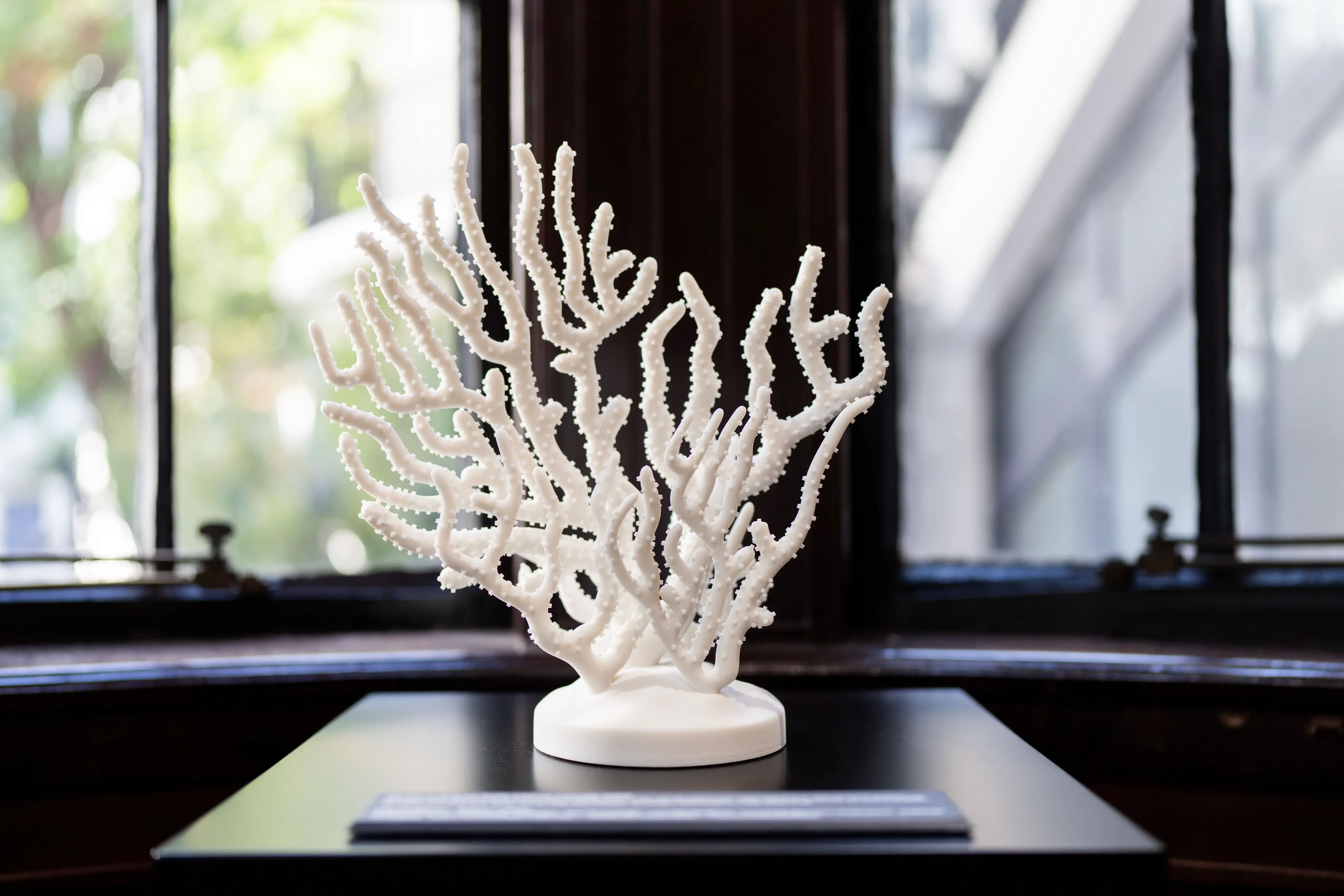
We design and create innovative tactile and audio experiences for museums and exhibitions. Our solutions make museums accessible to blind and visually impaired visitors, transforming collections and exhibition content into engaging, multisensory experiences through 3D printing technology.
Audio and sound are automatically activated along the visitor journey through sensors that detect the presence of people, guiding visitors through the exhibition and enriching the experience with contextual information and storytelling.
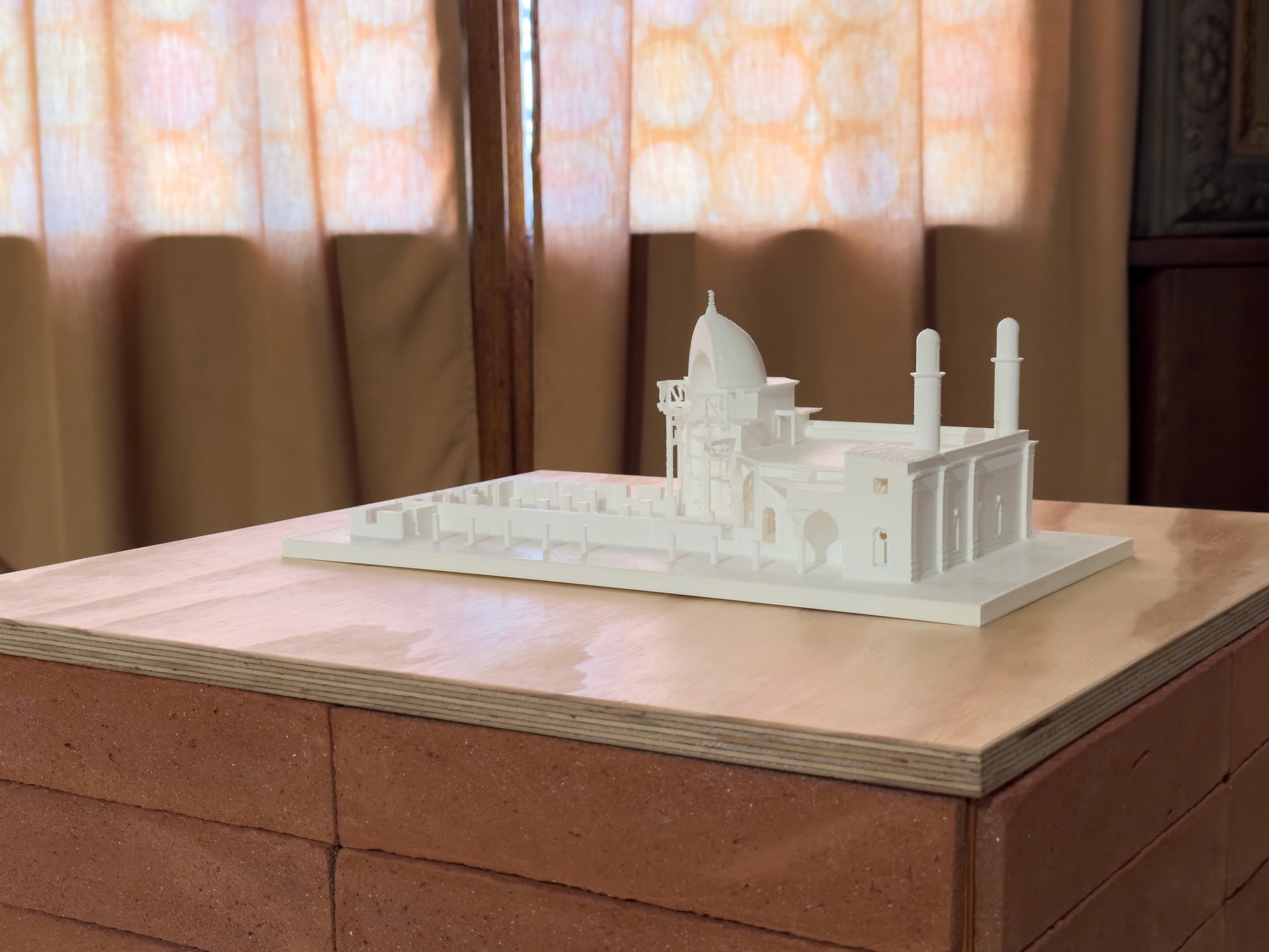
The 3D models can be produced in any size, scale, or format, making it possible to faithfully reproduce artworks, objects, artifacts, and natural elements. We create 3D replicas of organic and inorganic objects, starting from photographs, existing objects, digital files, or conceptual designs.
These interactive and multisensory experiences not only improve museum accessibility, but help museums reach a wider and more diverse audience.
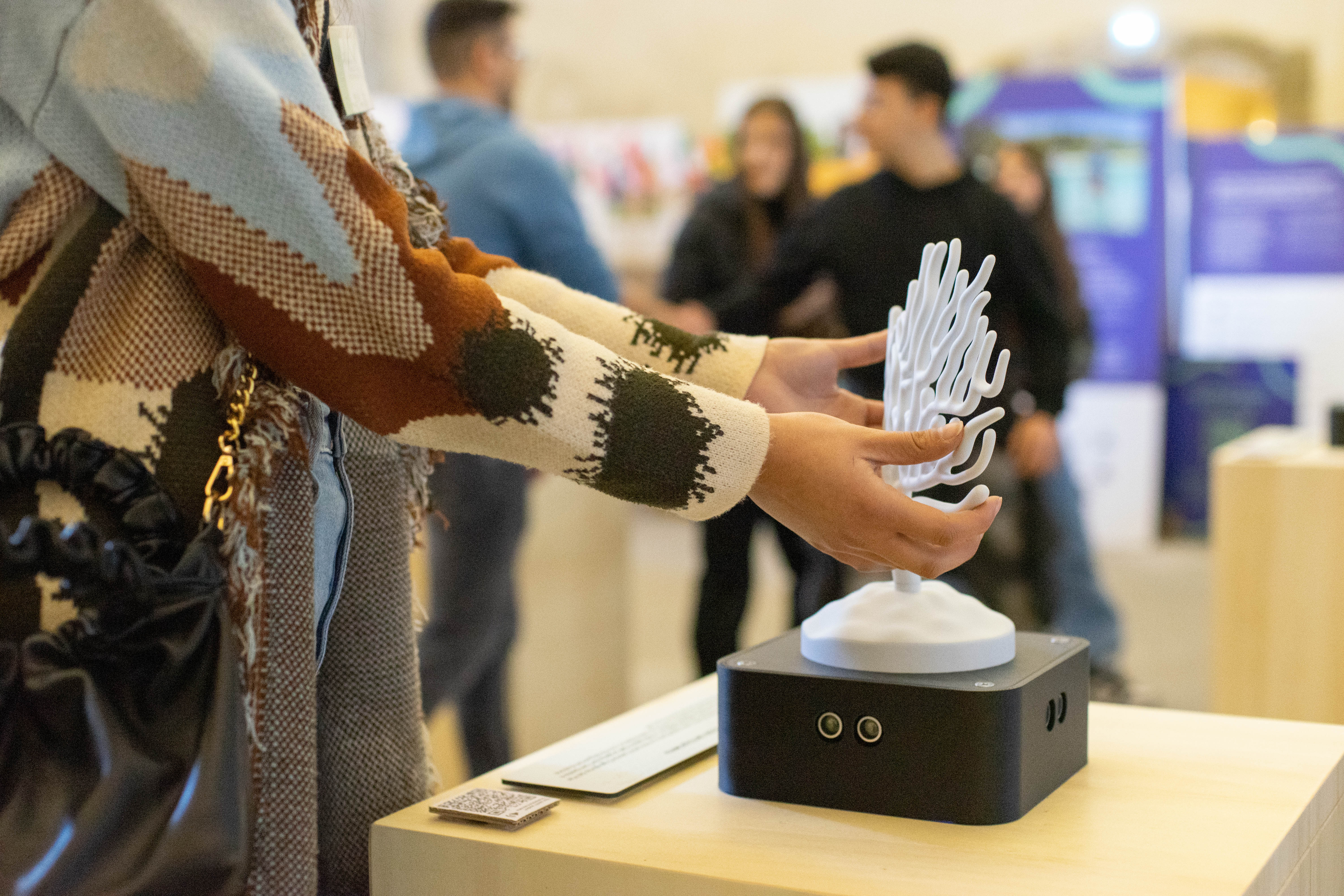
How we design a tactile pathway
Before creating a tactile pathway, we carefully analyze the needs of both the client and the audience. This allows us to identify the target visitors and develop solutions that best match their expectations and accessibility requirements.
Our process also includes evaluating the exhibition space where the tactile experience will be installed, selecting the appropriate size, scale, and characteristics of the 3D reproductions, and ensuring that the design is suitable for blind and visually impaired visitors.
We have already developed several successful installations, including Feel the Change, an interactive sensory pathway that allows visitors to experience the effects of climate change in the marine environment through touch.
To ensure an engaging and effective visitor experience, we follow a structured design process that includes the following steps:
Needs analysis and project feasibility assessment, collecting information about the content that will be 3D printed
Customization of 3D reproductions and display pedestals, tailored to the client’s requirements, including materials, dimensions, and colors
Selection of the most suitable technology to integrate with the tactile pathway, enhancing the interactive and multisensory experience
Custom 3D reproductions from objects, images, and concepts
Before starting the 3D printing process, we define what needs to be represented: a real object, an image, a painting, or an organic or abstract form.
While 3D printing technology offers virtually unlimited possibilities, it is essential to carefully design each 3D model according to the message the exhibition aims to communicate.
We select the most suitable materials for each project, offering durable and long-lasting solutions based on how the reproductions will be used and displayed.
Credits: Mosul, an architectural reborn. Video ©Federico Girotto
Custom pedestals and fire-retardant certification
The 3D reproductions are displayed on custom pedestals made from different materials, including wood and cardboard. You can choose the most suitable color for your exhibition design and, if required, request custom painting or finishing.
We also provide a fire-retardant treatment service with official certification, ensuring that all exhibition elements comply with safety requirements for museum spaces, galleries, and exhibitions.
Braille labels
Each 3D reproduction and pedestal is accompanied by a label describing the object or representation helping visitors quickly understand what they are exploring.
Every label includes Braille text, the tactile reading system that allows blind and visually impaired visitors to access written information independently.
Our Braille labels can be fully customized, both in their textual content and visual design, while respecting the character limits required for Braille readability.
Automatic sound playback
A sensory pathway becomes even more engaging when it involves multiple senses, including hearing.
We have developed a technology that allows background sounds, music, and audio guides to play automatically in a simple and intuitive way. This includes an integrated battery system that allows the installation to be placed anywhere within an indoor space, including museums, galleries, and temporary exhibitions.
Visitors only need to approach the 3D reproductions and the audio track starts automatically, guiding them through the sensory experience in an engaging and seamless way.
Adding audio is an effective way to immerse visitors in the exhibition, helping them better understand the 3D contents and the stories behind them.
Together until the end
Making museums accessible should be a priority to ensure everyone can access information and cultural content. We offer turnkey solutions for your exhibitions, including tactile and sensory pathways with 3D reproductions.
These tools help you expand your visitor engagement and make your museum accessible to a broader and more diverse audience.
Case study: Feel the Change - Venice
The Feel the Change installation transforms the climate crisis into a tactile and multisensory experience, designed both for blind and visually impaired visitors and for a wider audience.
Created by UNESCO in collaboration with designer Federico Girotto, the work uses 3D printing to compare healthy marine species with those affected by rising global temperatures and ocean acidification. Designed according to inclusive principles, the installation involved active collaboration with the Italian Union of the Blind and Visually Impaired (UICI) in Treviso, the UNESCO team, and a group of scientists, ensuring a balance between data accuracy and accessibility.
Featured at international stops of UNESCO’s Ocean & Climate Village, from Shanghai to Barcelona, Feel the Change is now permanently hosted in Venice at the SEA BEYOND Ocean Literacy Centre on the island of San Servolo.
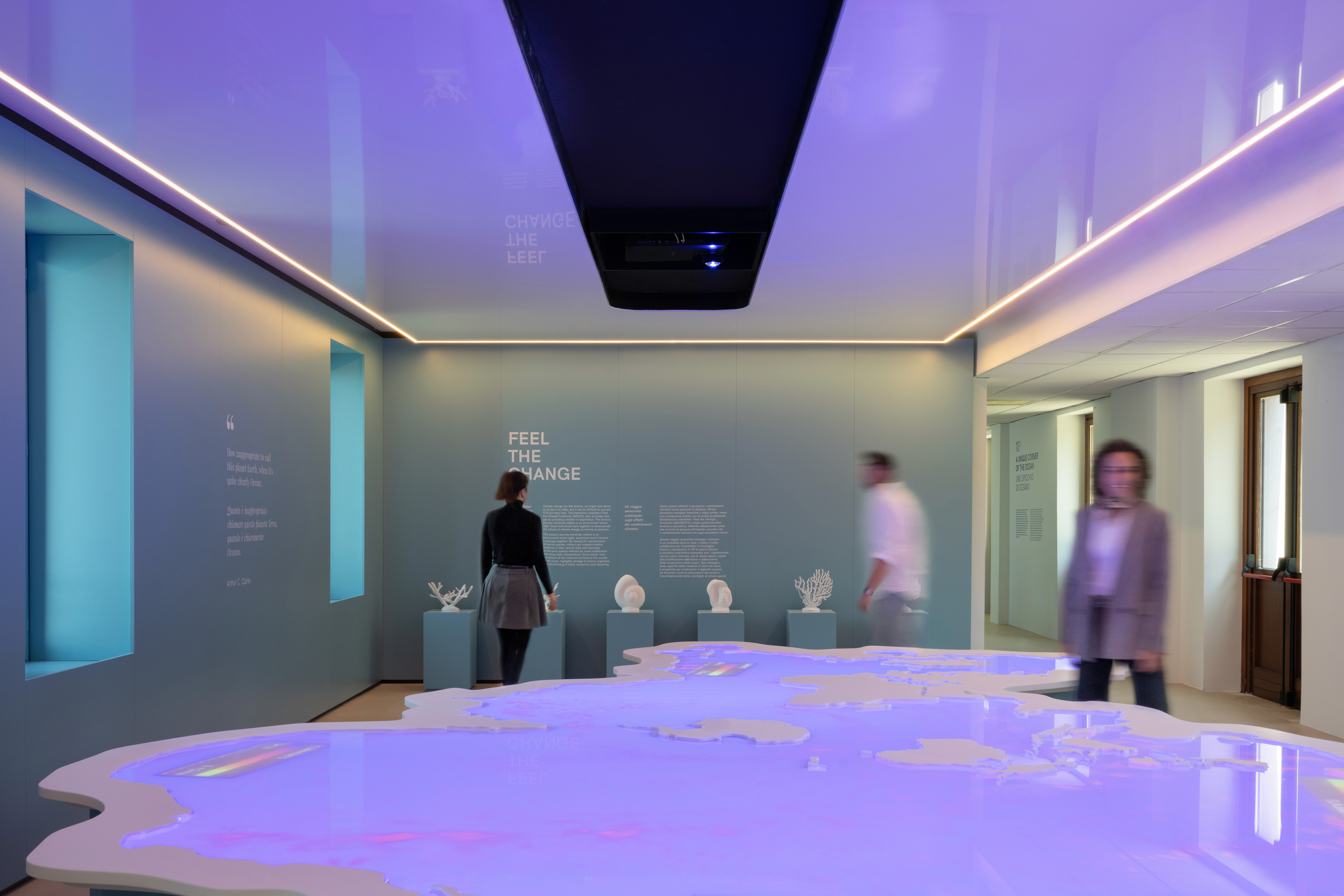
Credits: Feel the Change. SEA BEYOND Ocean Literacy Centre. Photo ©Prada Group
Discover our immersive sensory journey and see how accessibility and innovation can transform the visitor experience.